DISEASE FILE · GRADE C: WHO FACT SHEET, CHECKED 2026-09
Japanese encephalitis: a travel-region decision.
Rare but severe: most infections are mild or silent, yet the neurological form kills up to a third and leaves half of survivors with permanent damage. It is vaccine-preventable, which makes it a planning question.
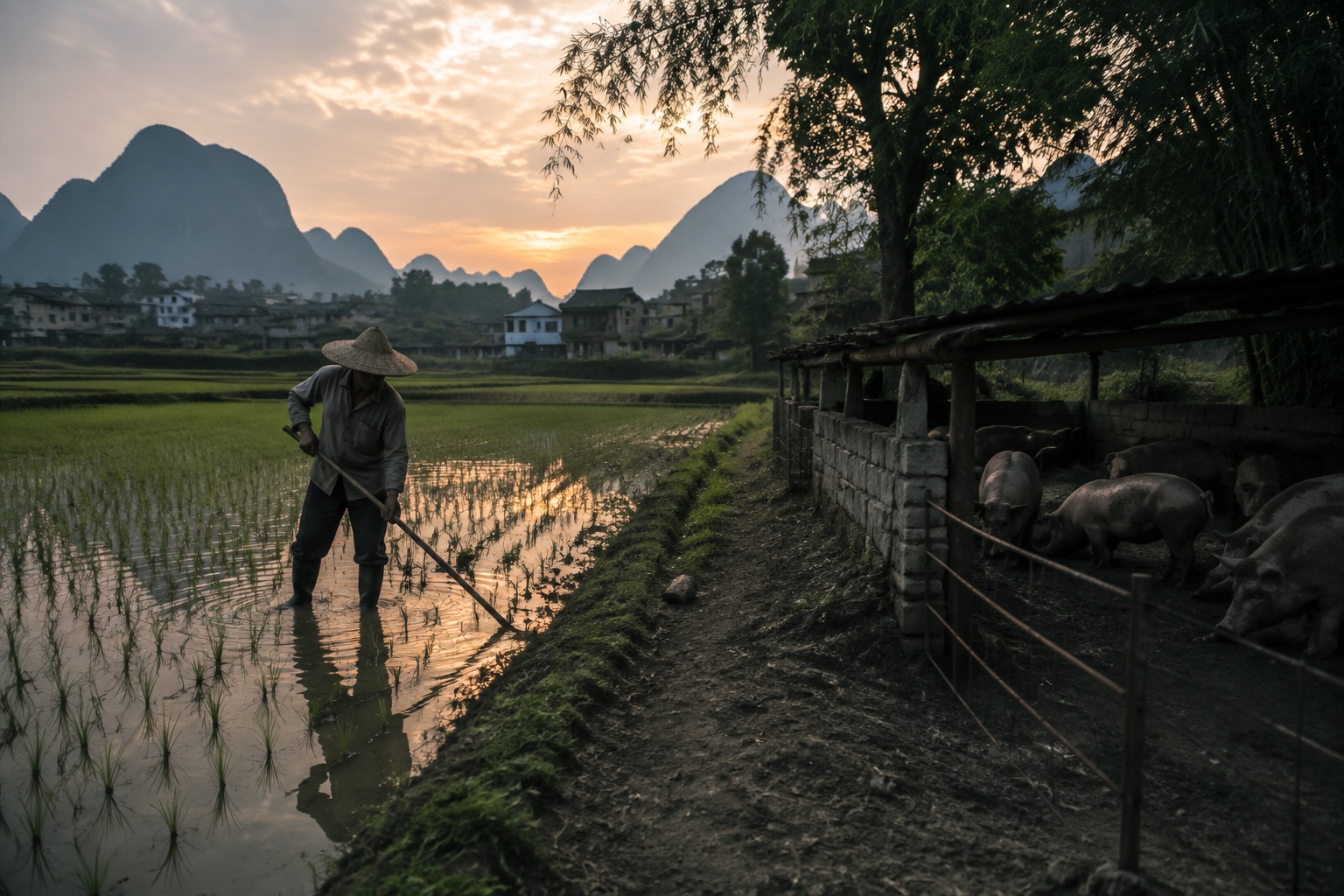 PLATE 205
- 1 · Paddy water: Culex nursery
- 2 · Pig pen beyond: the amplification host
The red flags, and the planning question
Neurological flags are emergency. The vaccine question is a travel-clinic question, asked before the trip.
Fever with headache, then confusion, seizures
Most symptomatic cases are under 15
Rural Asia, rice paddies, pigs, wading birds
Effective; schedules and availability by country
Sources checked 2026-09 · How we grade
THE QUESTION PEOPLE ACTUALLY TYPE
Do I need the Japanese encephalitis vaccine? It depends on itinerary: rural Asia, transmission season, and length of stay raise the recommendation. The vaccine is effective, but the decision belongs to a travel clinic, made before the trip.
WHO Japanese encephalitis fact sheet, checked 2026-09
The numbers, in context
Every row sourced, every page dated.
| FACT | VALUE | SOURCE |
|---|---|---|
| Symptomatic share | Less than 1% of infections | WHO |
| Case fatality, neuroinvasive | Up to 30% | WHO |
| Permanent sequelae | 30-50% of survivors | WHO |
| Vector | Culex, rice-paddy habitat with pigs and birds | WHO |
| Vaccine | Effective, WHO-prequalified available | WHO |